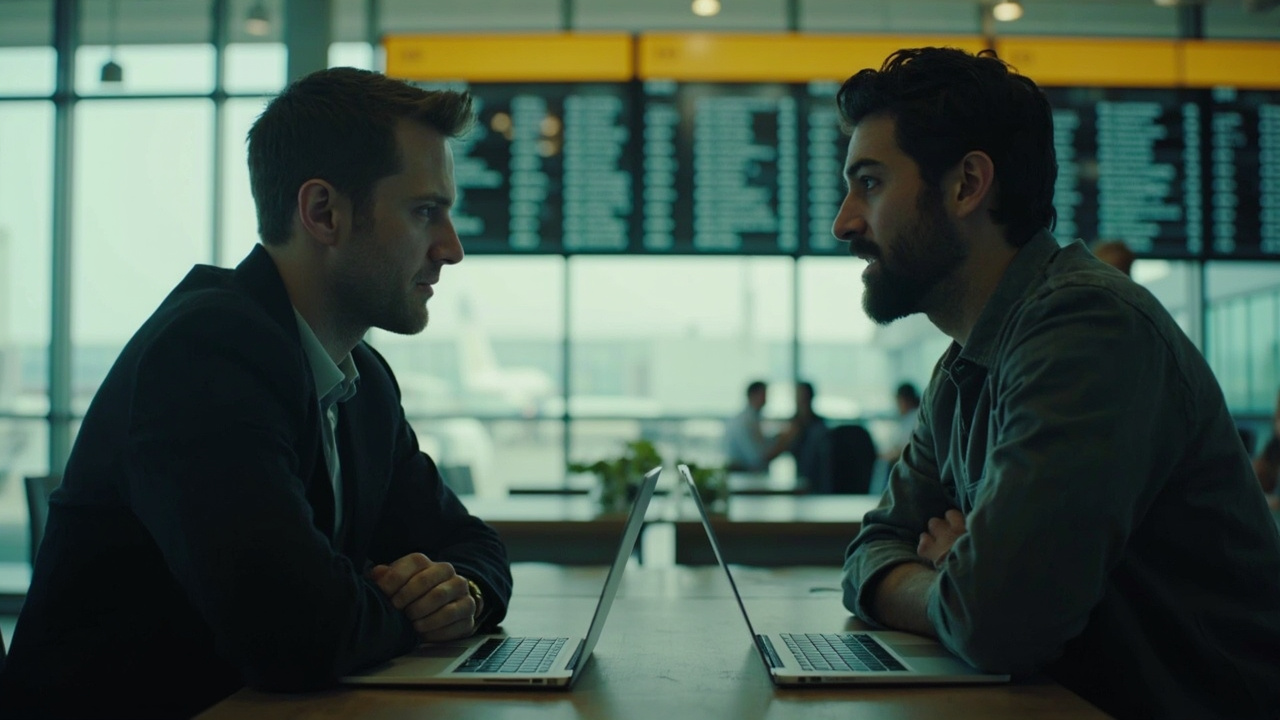
When two founders independently pick the same name for a new product, the result can quickly turn into a public, expensive headache. That is exactly what unfolded between two young teams building AI travel tools, both of whom settled on the name Soar and quickly discovered that visibility, capital, and identity were suddenly on the line.
According to businessinsider.com, the dispute broke out after Stanley Virgint, founder of an AI travel companion startup called Soar, received a LinkedIn message from Henry Langmack. Langmack asked when Virgint's product was launching and said he was on the waitlist. The next day, Langmack launched his own Soar — a flight-booking app — with a logo that looked strikingly similar.
How the Soar Name Dispute Unfolded
Virgint started his company in December 2024, pitching investors on an AI companion that helps travelers through text-based conversations. He secured $350,000 in early funding, including a contribution from former Expedia CEO Erik Blachford, and the app had been available through Apple's TestFlight platform since January 2025.
Langmack, 19, and his cofounder Alex Slater, 21, developed their own flight-booking idea during a February trip to South America. The pair, who previously built viral apps including Cal AI and Quittr, said they closed an early funding round worth seven figures and valued their company at $10 million. They spotted Virgint's product in the days before their May launch. Slater described his May 18 LinkedIn message as a way to check whether the original Soar had real traction, since the app was not yet in the App Store and Langmack was still on the waitlist.
After Langmack launched his version, Virgint accused the rival team of copying the name and logo. He applied for a trademark and sent a cease and desist letter. His lawyer argued that the logos were "strikingly similar" and that the timing of Langmack's earlier message was concerning. Langmack responded that the letter included claims his counsel found unsubstantiated.
Why Naming Clashes Keep Happening in Tech
Name disputes between technology companies are not new. Apple Computer fought The Beatles' Apple Corps for years. Two organizations once shared the WWF acronym before one rebranded to WWE. Trademark lawyer Doug Masters told Business Insider that some elements of the Soar case look straightforward — same name, similar logos, overlapping markets — while colleague Josh Gerben noted that proving infringement becomes harder when questions about user scale and filing dates are involved.
The story also reflects a broader pressure on AI founders. The market is crowded with thin wrappers around existing models, and standing out requires a memorable name, a polished brand, and fast traction. Both Soar teams used the same shortcut — a small plane logo angled upward — because it signaled speed and travel. That visual shorthand made the collision almost inevitable.
What It Means for You
For founders and product leaders, the Soar case is a reminder that branding decisions are strategic, not cosmetic. A name and logo are part of the company's moat, and defending them early is far cheaper than untangling a conflict after a public launch. This is especially true in AI, where category boundaries blur and dozens of startups can target the same narrow use case.
Readers leading agile teams or running product launches should treat brand identity the same way they treat a sprint goal: define it, protect it, and revisit it before competitors force the conversation. When two companies target the same audience with nearly identical visuals, customers notice, and the reputational cost often falls on whichever team reacts slowest.
A Short Timeline of the Soar Clash
- December 2024: Virgint begins building his AI travel companion, later named Soar.
- January 2025: His app becomes available through Apple's TestFlight platform.
- February: Langmack and Slater sketch out their flight-booking concept while traveling in South America.
- April: The rival team resumes active development after relocating to Miami.
- May 17: Langmack messages Virgint on LinkedIn about a launch timeline.
- May 18: The rival Soar launches with a similar name and logo.
- May 19: Virgint records a video response in a Chicago airport but does not post it.
- August: Virgint shares the recording with Business Insider as the dispute continues.
Key takeaways
- Search the trademark database and live app stores before locking in a name or logo.
- File trademark applications early, even before a public launch, to strengthen later enforcement.
- Treat a competitor's rapid brand imitation as a legal and communications issue, not just a marketing one.
- Differentiate visually, since shared metaphors (like upward-shooting planes) invite direct comparisons.
- Plan for visibility wars — a louder launch can shift public perception long before any legal ruling.
Frequently asked questions
What were the two Soar startups fighting over?
They shared the same name and a similar small-plane logo, and they both offered AI-powered travel services, which led to confusion in the market.
Who raised more money in the dispute?
Virgint's company secured $350,000 in early funding, while Langmack and Slater said they closed a seed round and valued their company at $10 million.
How did Virgint's team respond to the rival launch?
Virgint filed for a trademark, sent a cease and desist letter, and recorded a video accusing the other founders of copying his brand.
Why are AI startup names so often contested?
The AI market is crowded with similar products, which pushes founders toward familiar metaphors and short, catchy names, increasing the chance of collisions.
What can founders do to avoid this kind of branding conflict?
Run trademark searches, register marks early, choose distinctive visuals, and confirm the name is unused in target app stores before announcing.
Source: businessinsider.com